Deck Building · 10 min
Palworld Card Game color guide and first upgrade path
Compare Red, Blue, Green and Purple by real launch-card mechanics, then choose a focused first set of BP01 upgrades.
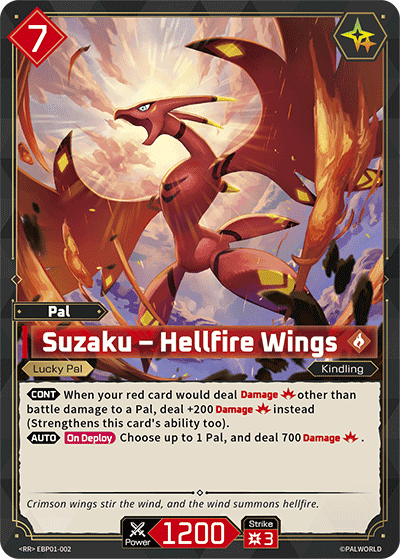
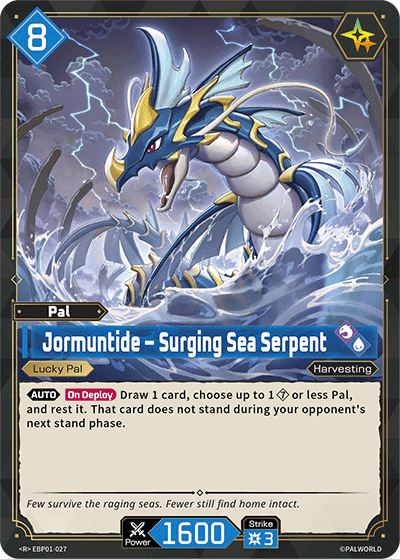
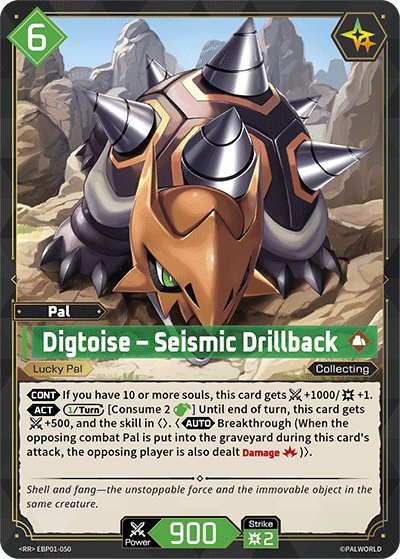
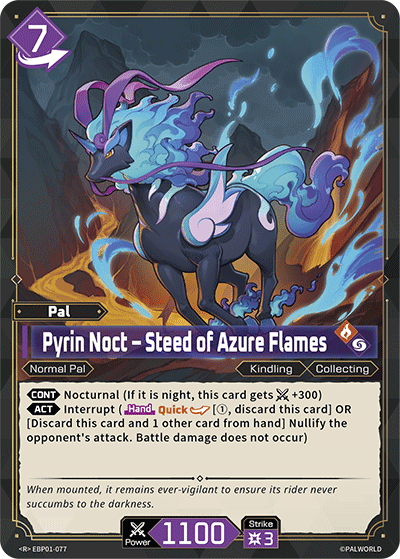
Red applies direct pressure, Blue controls tempo and cards, Green builds Ingredient-powered boards, and Purple disrupts combat through Stealth, removal, night and graveyard effects. A legal deck may use up to two of these colors plus Colorless cards.
Primary source: Official launch card list ↗Red: damage and Material pressure
Red launch cards reward proactive turns. Its Structures create Materials, its effects deal direct damage to Pals, and its larger threats can turn a developed Base into immediate pressure. Choose Red if you want the clearest path from setup to attacking.
Blue: draw, rest and defensive timing
Blue helps a deck see more cards, change which opposing cards are standing or rested, and protect important turns with Quick or Interrupt effects. Choose Blue if you enjoy keeping options open and winning through better timing rather than only raw Power.
Green: Ingredients, Taunt and durable boards
Green creates and consumes Ingredients for Power boosts, life gain and value. Taunt Pals can protect another target by restricting legal attacks. Choose Green if you like building an engine and making one strong, carefully prepared turn.
Purple: Stealth, removal and graveyard value
Purple makes blocking difficult with Stealth, removes or weakens opposing Pals, and uses night or Graveyard interactions for extra value. Choose Purple if you enjoy sequencing effects and forcing awkward defensive choices.
The two safest launch pairings
Materials, damage, draw and Quick timing
A direct first deck with flexible defense
Ingredients, Taunt, Stealth and removal
Players who enjoy setup and sequencing
How to upgrade without breaking the deck
- Play the unchanged Trial Deck several times and identify cards that sit unused in hand.
- Choose one existing engine—Materials or Ingredients—instead of adding every exciting pull.
- Add BP01 cards in small groups, usually two to four copies depending on how often the effect is needed.
- Keep enough low-cost plays, card flow and interaction after every change.
- Change only a few slots, then record whether the new card was useful when drawn.
Why early results still do not make a settled tier list
Official Osaka and Tokyo Grand Release recipes now provide real event evidence, but a reliable tier list still needs repeated results, known field sizes and matchup data. Choose colors by the play style above and treat early rankings as provisional.
Test a two-color listPage update
What changed
Compare Red, Blue, Green and Purple by real launch-card mechanics, then choose a focused first set of BP01 upgrades.
Update history
- Published
Sources and evidence
Source links
Use the official links below for current rules, card text, products and dates. Independent or community links are included only when they add clearly identified examples.